
Zum Hauptinhalt springen
tsecurity.de LIVE
Echtzeit-Radar & Feeds
Alle RSS Feeds
👥 Community & Social
Sichere ProgrammierungChrome Already Has The Eyedropper You're Building(20.09.2026 um 18:25 Uhr)
Sichere ProgrammierungFor VS Code lovers, you can have a colored border and more from now...(20.09.2026 um 18:25 Uhr)
Sichere ProgrammierungNuxt Hydration Mismatch: Why It Happens and How to Fix It(20.09.2026 um 18:26 Uhr)
Sichere ProgrammierungYour Browser Is Rejecting Every Drop On Purpose(20.09.2026 um 18:26 Uhr)
Sichere ProgrammierungReact Derived State: Why That useState Is Probably a Bug(20.09.2026 um 18:27 Uhr)
Sichere ProgrammierungI tried OpenProject and Vikunja. Then I built Agila.(20.09.2026 um 18:37 Uhr)
Sichere ProgrammierungSkill Recorder keeps your screen local until you press Analyze(20.09.2026 um 18:38 Uhr)
Sichere ProgrammierungChrome Already Has The Eyedropper You're Building(20.09.2026 um 18:25 Uhr)
Sichere ProgrammierungFor VS Code lovers, you can have a colored border and more from now...(20.09.2026 um 18:25 Uhr)
Sichere ProgrammierungNuxt Hydration Mismatch: Why It Happens and How to Fix It(20.09.2026 um 18:26 Uhr)
Sichere ProgrammierungYour Browser Is Rejecting Every Drop On Purpose(20.09.2026 um 18:26 Uhr)
Sichere ProgrammierungReact Derived State: Why That useState Is Probably a Bug(20.09.2026 um 18:27 Uhr)
Sichere ProgrammierungI tried OpenProject and Vikunja. Then I built Agila.(20.09.2026 um 18:37 Uhr)
Sichere ProgrammierungSkill Recorder keeps your screen local until you press Analyze(20.09.2026 um 18:38 Uhr)
Intelligence View
⚡ tsecurity.de Intelligence

Australia Social Media Ban Faces Questions as Over 60% of Kids Remain Online

Reagiere als Erste:r — dein Feedback zählt!

Australia Social Media Ban

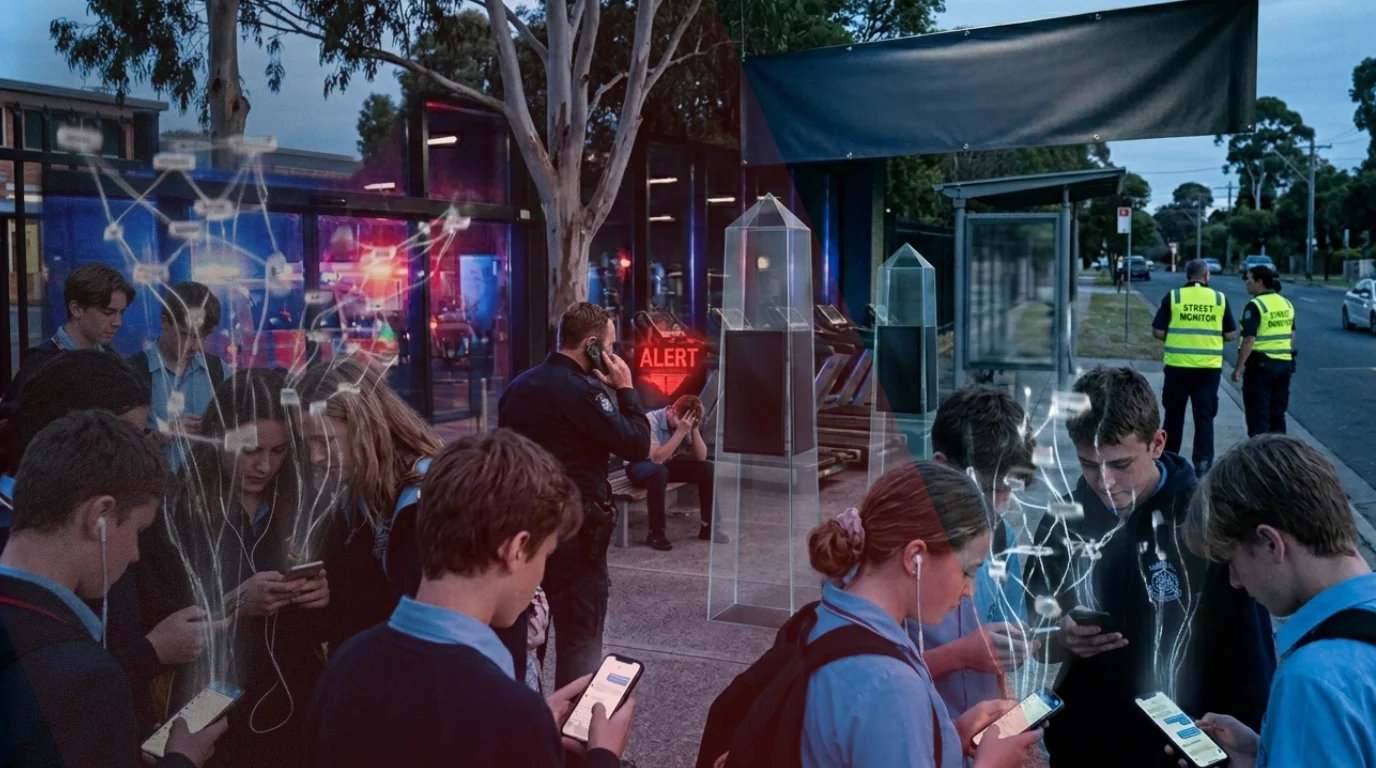
Australia’s social media ban is facing fresh scrutiny after new research revealed that a majority of children continue to use restricted platforms despite the under-16 restriction. The findings raise serious concerns about the effectiveness of the Australia social media ban, particularly in its early months of enforcement. According to the first large-scale study conducted by the Molly Rose Foundation and YouthInsight, more than 60% of children aged 12–15 who previously used social media still have access to at least one account. Overall, this represents 54% of all children in that age group. The research, based on a survey of 1,050 young people, highlights gaps in how platforms are implementing the Australia social media ban. Despite the restrictions, over half of children who previously used platforms such as TikTok, YouTube, and Instagram continue to access them. Specifically:
  • 53% of former TikTok users still have access
  • 53% of YouTube users remain active
  • 52% of Instagram users continue to use accounts
The study also found that some children have created new accounts after the ban came into effect, suggesting that the Australia social media ban has not prevented new sign-ups.

Australia Social Media Ban Struggle to Fully Restrict Access

A key finding of the research is the limited action taken by technology platforms to remove underage accounts. In many cases, children did not need to use workarounds to retain access. Two-thirds of continuing YouTube users, 61% of Snapchat users, and 60% of both Instagram and TikTok users reported that platforms had taken no action to remove or deactivate their accounts. This raises questions about compliance by tech companies and whether the Australia social media ban is being effectively enforced at the platform level.

Limited Impact on Children’s Online Safety

The research also examined whether the Australia social media ban has improved children’s safety or wellbeing. The results suggest a mixed outcome. Half of the children surveyed said the ban had made no difference to their online safety. More concerning, 14% said it made them feel less safe. When asked about overall impact:
  • 42% said the ban had no impact on their lives
  • 32% reported a negative impact
  • 22% said the impact was positive
The findings indicate that the Australia social media ban has yet to deliver consistent improvements in safety or well-being.

Concerns Raised Over Policy Effectiveness

The Molly Rose Foundation has warned that the findings raise significant concerns about relying on bans as a primary safety measure. Andy Burrows, Chief Executive of the Molly Rose Foundation, said, “These results raise major questions about the effectiveness of Australia’s social media ban and show it would be a high-stakes gamble for the UK to follow suit now. “Parents and children deserve better than a flawed ban that delivers a false sense of safety that quickly unravels. “Proponents of a ban argue that it offers an immediate and decisive firebreak, but the early evidence from Australia shows it only lets tech firms off the hook and fails to give children the step change in online safety and wellbeing they need. “The quickest and most decisive means to protect children is stronger regulation that finally calls time on egregious product safety failures, with a commitment to a new Online Safety Act in the upcoming King’s Speech.” Ian Russell, Chair of the Molly Rose Foundation, added, “Parents are united that change is needed to protect children from appalling harm online, and we must see effective action that delivers the safety and wellbeing improvements we are crying out for. “The Prime Minister is right that tackling addictive and dangerous design choices is key. He must now put words into action with strengthened regulation that cuts to the heart of business models that put profit over safety. “Keir Starmer has the chance to make the UK a world leader in online safety by following the evidence with robust new laws that give parents what they are rightly demanding. “The cost is too high to get this wrong by rushing into an Australia-style ban that offers the perception of security but is letting children down in practice.”

Global Implications of Australia's Social Media Ban

The Australian social media ban, introduced under Prime Minister Anthony Albanese, requires platforms to block users under 16 or face fines of up to AU$32 million. While the policy was designed to address concerns about children’s online safety, early data suggest challenges in implementation. With countries such as the UK, France, Spain, and Canada exploring similar measures, the findings highlight the need for careful evaluation before adopting comparable policies. As governments continue to assess options, the research suggests that stronger regulation and platform accountability may be more effective than outright bans in improving children’s online safety.
Ähnliche Beiträge
🔍 Verwandte News

Auch interessante Nachrichten Australia Social Media Ban Faces Questions as Over 60% of Kids Remain Online

Thematisch verwandte Begriffe: Australia, Social, Media, Faces · 6 Treffer

Laden...

Videos werden geladen ...

Laden...

Beiträge werden geladen ...

Laden...

Videos werden geladen ...

Laden...

Beiträge werden geladen ...

Laden...

Videos werden geladen ...

Laden...

Beiträge werden geladen ...

Laden...

Videos werden geladen ...

Laden...

Beiträge werden geladen ...

Laden...

Videos werden geladen ...

Zum Aktualisieren ziehen
ZERO-DAY CVE-2026-93956 | A flaw has been found in olivier-ls PHP-FTS up to 1.1.2. Affected by thi…
Advisory →
TTS Reader • tsecurity.de Voice
tsecurity.de Icon
tsecurity.de App
Offline-Lesen, Eilmeldungen & 0ms Ladezeit

Installiere tsecurity.de direkt auf deinen Home-Bildschirm für das ultimative Vollbild-Magazinerlebnis ohne Browser-Leisten.

Nächster Beitrag
Themen-Radar & Intelligence Matrix
Echtzeit-Taxonomie nach Angriffsvektoren & Plattformen
Community Radar & Live Chat
Sentinel Bot online • Live-Stream
Dein Cluster: Security Explorer
Match:
lädt…
Verbindung zum Community-Stream wird aufgebaut...
Bearbeitungsmodus — Senden überschreibt deine Nachricht
Community-Puls — was gerade passiert
lädt…
Aktivitäten deiner Analysten
lädt…
Neues Thema oder Eilmeldung einreichen

Reiche interessante Links, Zero-Days oder Debatten ein. Die Community entscheidet per Upvote über die Veröffentlichung.

Heiß diskutierte Einreichungen
🔖 Gespeicherte Artikel
📂 Keine gespeicherten Artikel vorhanden.
Zurück Ziehen Vor
Links: vorheriger Artikel Rechts: nächster Artikel unten: schließen
News NIS-2 Frühwarnung Tier-1 Intel ⏱️ 3 Min vor 10 Min
Artikeldaten werden geladen...

Zurück: vorheriger Vor: nächster
↗ Original-Quelle
Social Reaktionen Deine Reaktion zählt
Einstufung & Relevanz-Poll 0 Stimmen
In sozialen Netzwerken teilen 1-Klick