



Are you really secure, or just lucky you haven’t been hit yet?

The gap between how secure people think they are and their actual vulnerability is staggering, shocking. Most of us are just lucky we haven’t been targeted yet.
The average person has 100+ online accounts but uses what?
5 different passwords? 6 different passwords? This simple fact makes millions of people vulnerable to credential stuffing attacks every day.
Most victims don’t realize they’re compromised, vulnerable until it’s too late.
The average data breach remains undetected for 212 days, giving attackers plenty of time to exploit your information, steal your personal data, swipe your private pics with your girlfriend, and yeah… probably blackmail you too.
Your password habits are probably worse than you think. If you reuse passwords, choose easy-to-remember phrases, or haven’t changed them in years, hackers already have a significant advantage.
Two-factor authentication remains drastically underutilized despite being the single most effective deterrent against unauthorized access. Only 28% of users take advantage of this simple security measure.
So please use TWO-FACTOR AUTHENTICATION
You know what’s worse than not using Two-factor authentication? it is using public Wi-Fi, and it is because it’s a playground for attackers. When you connect at cafes, airports, or hotels, your data travels unencrypted, allowing anyone nearby to potentially intercept your information.
The most dangerous myth in cybersecurity is believing you’re not a target.
Hackers don’t need to specifically choose you — automated tools scan millions of devices looking for common vulnerabilities.
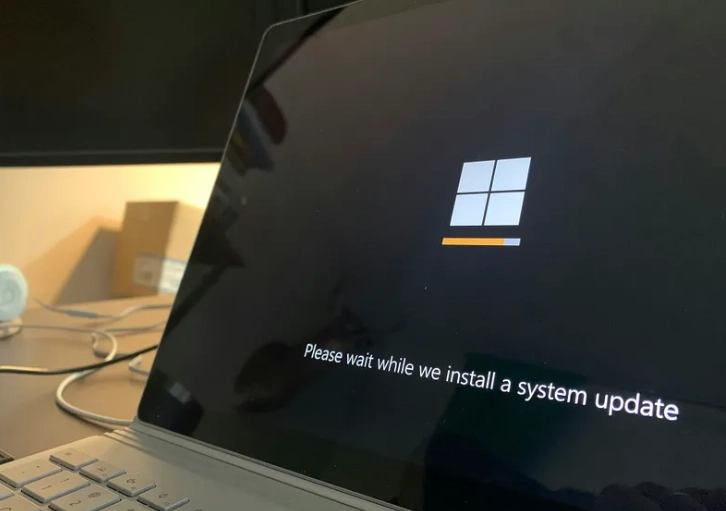
Software updates matter more than you think. Postponing that “update later” notification leaves known security holes wide open. Most successful breaches exploit vulnerabilities that already have patches available.
Password managers aren’t just convenient — they’re essential security tools. Using unique, complex passwords for every account is practically impossible without one.
Your personal information is already for sale on the dark web. Data breaches have exposed billions of records, meaning your email, phone number, and possibly passwords are readily available to criminals.
Security is a process, not a product. No single tool will protect you completely. Creating layers of security through good habits matters more than any specific application.
The most secure individuals aren’t necessarily technical experts — they’re people who recognize their vulnerability and take consistent preventative action.
Social engineering remains the most effective hacking method. No security system can fully protect against a convincing phone call or email that tricks you into giving away your credentials.
Many people falsely believe their accounts aren’t “important enough” to hack. In reality, criminals value your Netflix account, email access, and social media profiles as stepping stones to bigger targets.
Your home network is likely vulnerable right now. Default router passwords, outdated firmware, and unsecured IoT devices create multiple entry points that attackers actively scan for.

Identity theft isn’t just about credit cards. Medical records, tax returns, and employment information are increasingly targeted because they provide long-term exploitation opportunities.
The rise of ransomware has transformed hacking from opportunistic theft to calculated extortion. Personal devices are increasingly targeted, with attackers demanding payment to restore access to your own files.
Security questions offer minimal protection. Information about your first pet, hometown, or mother’s maiden name is often publicly available through social media or public records, so be cautious about that.
Encryption matters but most people don’t use it. Your text messages, emails, and cloud storage are likely exposed to potential surveillance without proper end-to-end encryption.
Data breaches have become so common that most people experience “security fatigue” and stop taking proactive measures. This complacency is exactly what hackers count on.
The average smartphone has 80+ apps, each potentially collecting your data and introducing security vulnerabilities. Unused apps with outdated permissions remain active threats on your device.
Actions you can take Right Now
Feeling a little attacked? Good.
Here’s how you start fighting back — today, right now:
- Enable Two-Factor Authentication (2FA) on every account that matters (email, banking, social media). No excuses.
- Use a Password Manager to generate and store complex passwords. Stop pretending you can remember 100 passwords. You can’t.
- Update Your Devices and Apps immediately. Yes, even the ones you barely use. Patches exist for a reason.
- Delete Unused Apps on your phone. Every app you don’t use is another unlocked door to your data.
- Secure Your Home Wi-Fi with a strong, unique password. If your router still says “admin/admin,” you’re basically begging to get hacked.
- Stop Connecting to Public Wi-Fi without a VPN. Starbucks internet is for coffee orders, not confidential browsing.
- Think Before You Click. Phishing emails are only “obvious” after you’ve been scammed.
Every step you take makes you a harder target.
And trust me, those hackers are lazy. They’ll move on to someone easier if you don’t make it easy for them.
Final Thoughts
As I said in the beginning.
The gap between how secure people think they are and their actual vulnerability is staggering, shocking. Most of us are just lucky we haven’t been targeted yet.
Security isn’t about becoming unhackable — that’s impossible. It’s about making yourself a harder target than the person next to you.
Take action today. Enable two-factor authentication, use a password manager, and update your devices. These three simple steps immediately place you ahead of most internet users.
Remember that perfect security doesn’t exist. The goal is resilience — creating enough protection that attacks are difficult, and recovery is possible when breaches occur.
Your digital life represents years of memories, financial transactions, and personal information. Isn’t it worth investing a few hours to protect what would take years to rebuild?
The choice is simple: take control of your security now, or wait until a hacker makes the decision for you. By then, it’s already too late.
SOCIAL SHARE CARD GENERATOR