When it embarked on an ERP modernization project, the second time proved to be the charm for Allegis Corp., which performed two ERP deployments in seven years.
“Two ERP deployments in seven years is not for the faint of heart,” admits Dave Shannon, CIO of the hardware distribution firm.
Allegis had been using a legacy on-premises ERP system called Eclipse for about 15 years, which Shannon says met the business needs well but had limitations. Integration with other systems was difficult and it required a lot of specialized resources to make changes, such as business processes and validation during order entry and replenishment to branch offices, he says.
Allegis had been using Eclipse for 10 years, when the system was acquired by Epicor, and Allegis began exploring migrating to a cloud-based ERP system.
“Quite frankly, we didn’t have the internal resources to support an on-premise solution,” Shannon says. The company wanted to leverage all the benefits the cloud could bring, get out of the business of managing hardware and software, and not have to deal with all the complexities around security, he says.
In 2017, after exploring other ERP systems, whittling down a list of around 80 vendors, and defining its business requirements, Allegis selected NetSuite — and it didn’t go well.
“We really liked [NetSuite’s] architecture and that it’s in the cloud, and it hit the vast majority of our business requirements,” Shannon notes. “They had capabilities in all the functional areas that were important to us.”
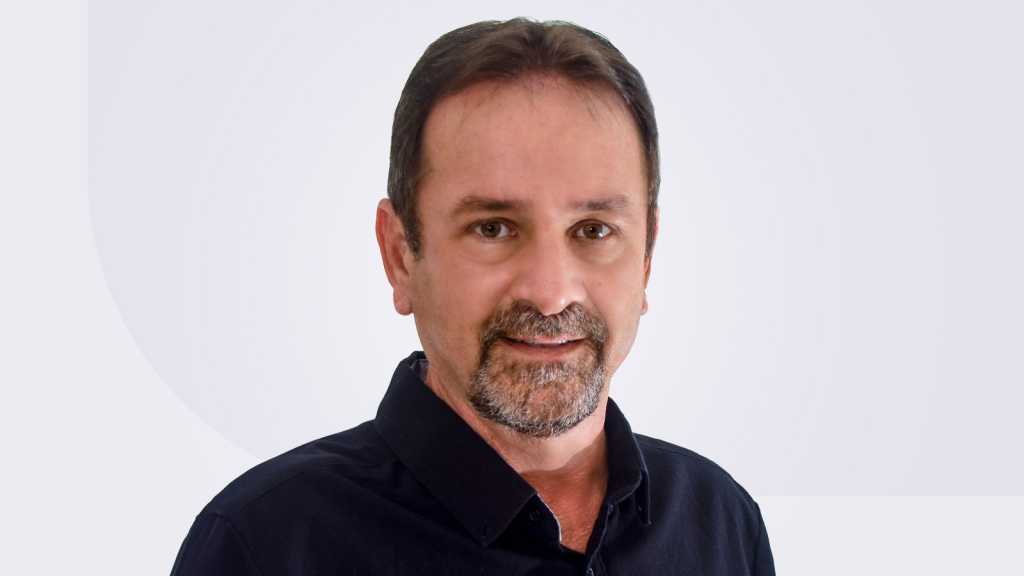
Dave Shannon, CIO, Allegis
Allegis
However, the domain expertise Allegis officials felt the ERP should have in the distribution space was lacking, he says. “It got you most of the way there, but not where we needed it to be, so that meant there were a lot of gaps or extensions” that had to be added.
Allegis plugged the gaps by integrating 12 third-party technologies and building custom solutions to give the company the ability to perform tasks such as replenishment and demand planning. But the changes bogged down the system “because there were so many custom scripts and performance was lagging,” and some processes didn’t work properly, Shannon says.
Almost three years later, Allegis cut its losses, began looking around again, and settled on Epicor Prophet 21. “We went live on April Fool’s Day 2024, and it’s been a really good experience,” Shannon says, adding that IT deployed the system within its 12-month timeframe.
The ERP modernization mandate
ERP modernization is both a big undertaking and a big mandate for CIOs — and not one most relish having to do. Yet, with many organizations looking to innovate, deploy AI and automation, move to the cloud, and gain a competitive advantage, getting . “Many CIOs have succeeded in modernizing applications and developing analytics/ML/AI capabilities, but digital transformation and delivering competitive technologies that drive growth remains a challenging goal.”
[ Related: ]
A few months later, with more experience using Prophet 21, IT has been fine-tuning it.
There were no roadblocks, and the migration came in 20% under budget. However, “what hurt us was the implementation cost” of NetSuite, and realizing “we’d never get it back if we moved and would have to spend in theory, a similar amount by moving to Profit 21,” Shannon says, adding that it was a “fairly significant investment.”
Shannon takes responsibility for the “mistake” of selecting NetSuite and says in hindsight, Allegis would have avoided the need for two ERP implementations if leaders had dug deeper during the product demos.
“The demos [vendors] showed us were, ‘Click here and there and here are the results,’ and it appeared to work that way,” he says. “What we should have done was say, ‘Okay, you showed us what can be done; now show us how you did it because some things you showed in the demo … have different scaling,’ and that’s probably there where we fell short.”
Overcoming ERP transformation challenges
Recognizing its on-prem ERP/warehouse management system was no longer meeting its financial needs from a reporting and analytics perspective, healthcare company LeeSar is in the throes of modernizing by migrating to Oracle Fusion.
The internal ERP was purchased before LeeSar’s pharmacy division started expanding, says Russ Neumeier, VP of IS.
“I like the way Oracle is embedding AI into the ERP and SCM Fusion applications, and I like the opportunity for the smaller, quarterly updates to the apps versus the big-bang-every-five-years-upgrades to other systems,” Neumeier explains. “The quarterly updates will allow us to introduce updated features and functionality more quickly and allow us to innovate for and serve our member hospitals in ways we couldn’t before.”
[ Related: ]
The firm was using Deltek Vision, which Stanton says is “not well-suited for that — it’s a transactional system, not a data analytics system.” She realized HGA needed a data strategy, a data warehouse, and a data analytics leader. She hired Ryan Haunfelder as director of data and analytics, and they formally embarked on an upgrade to Deltek Vantagepoint.
HGA is a longtime Microsoft shop so Stanton and Haunfelder performed the upgrade using Microsoft Fabric while also implementing a data governance structure. This “put some structure around data quality and data security,” she says.
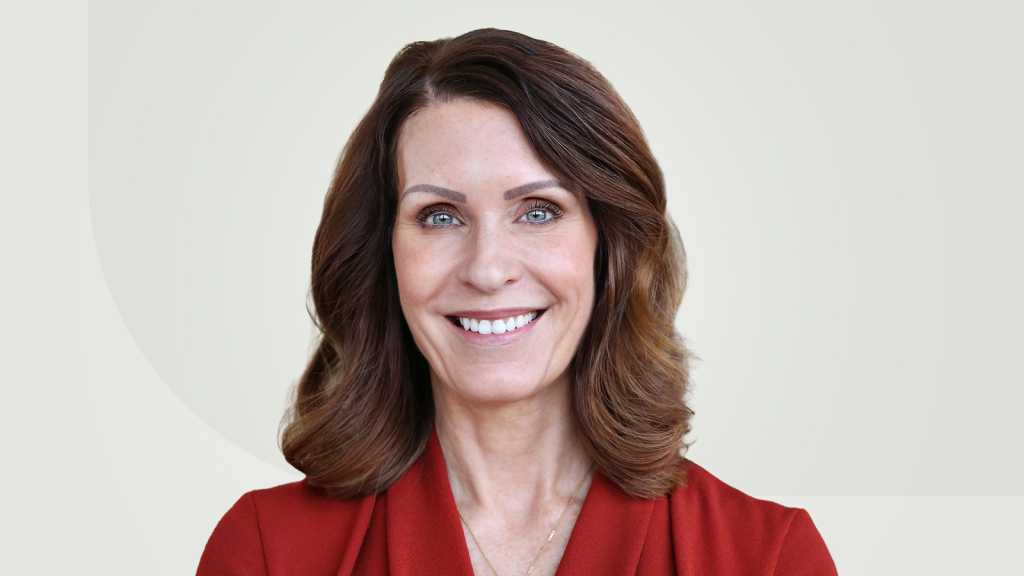
Michele Stanton, CIO, HGA
HGA
HGA completed the upgrade but not without some bumps in the road. While Deltek provides the ability to build custom code, if the data changes, “everything has to respect the change,” Haunfelder says.
“So it’s not just a migration for the ERP; it’s a migration for pretty much every custom application our firm had ever built,” and all the custom code had to now reflect the business logic in Vantagepoint. This included 10 to 15 apps and hundreds of pieces of one-off code, so Haunfelder set up a development environment to install the ERP and test everything.
If Stanton and Haunfelder had more time to plan the upgrade, they would have “stripped out all the stuff that doesn’t belong in” the ERP system, she says.
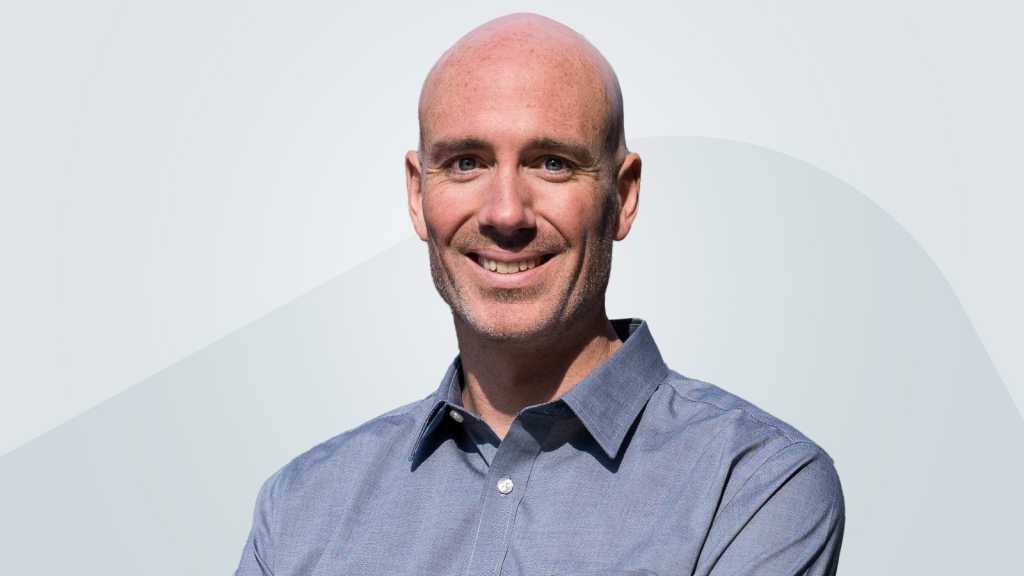
Ryan Haunfelder, director of data and analytics, HGA
HGA
“So our goal was to almost create an apples-to-apples capability in the new platform with a better user experience, but not really changing the way people work,” she says. “The upgrade went as well as could be expected, but it’s not like we completed a digital transformation.”
To realize the full benefits of a digital transformation, there has to be data standards and data quality processes, she says. “You would have data governance in place so that you know your ERP data could be feeding deep insights and analytics for your organization.”
Being brand new to the industry when she joined HGA, and with the upgrade work already started, “I wasn’t in a position to say, ‘Hey everyone, just stop; we’re going to rethink this whole thing, which by the way, is going to take two years and then we’ll talk about Vantagepoint,’” Stanton says.
That said, she feels good about the work IT did and that they got the right business stakeholders engaged and are now more data literate.
Tips for getting ERP upgrades right
Allegis’ Shannon says IT leaders need to not only have a solid understanding of business requirements but also understand business users’ jobs.
“It’s really easy to sit back in my chair and say, ‘Okay, go to the order entry screen and fill this out.’ It looks straightforward, but you’re not doing that job, they are,” he says.
IT must also understand the complexities business units face and what will help them be more efficient, especially with respect to satisfying customers’ requirements. “There’s no way to appreciate that,” Shannon says. “The first time around we probably took for granted that we understood what they needed.”
Shannon put together a bigger team for Allegis’ Prophet 21 implementation, assembling “the right people in all the functional areas of the business,” emphasizing that they had an equal voice in this deployment.
“When you empower [people] and give them an equal voice at the table, you end up with a better solution,” Shannon says. “Because they’re involved along the way, onboarding and training become much easier.”
He also advises understanding what a vendor means by “partner.” Sometimes vendors just want to partner on getting a deal done; in other cases, they want to understand your business and work together to make your job easier, Shannon says.
LeeSar’s Neumeier agrees, saying his firm emphasizes collaboration with its implementation partner and Oracle. “We are all after the same thing, which is a wildly successful implementation,” he says. “To do that, eliminate the us-versus-them language and emphasize working assumptions often.”
“Offer grace if a mistake is made and make it right if you missed something,” Neumeier adds.
Further, CIO’s should frame ERP modernization as a business initiative, not an IT project, he says. “Modernizing our ERP/WMS cannot be something that IT alone does for the business, and so we are involving every department in our business in the implementation.”
The team is also injecting a bit of fun into the project, Neumeier adds. “As new members come on … we invite them to add a song to our implementation playlist” that motivates, energizes, or puts a person in a good mood, he says, “because we know we will hit bumps, get frustrated, or feel the stress of a looming deadline.”
When modernizing an ERP system, go into it with your eyes open, says Allegis’ Shannon.
“Probably the most disruptive thing you can do is swap out your ERP system. It touches every aspect of the business, so it’s not something to be taken lightly,” he says. “While you’re going through the process — and sometimes even after — you can start working on the tool and stop working on business.”

SOCIAL SHARE CARD GENERATOR